This course engages theories and descriptions of
textual scripts that shape people's words, actions and
experiences, both religious and secular, and that
people manipulate for spiritual and social effects on
religious performances, objects, cultures, traditions
and themselves. This iteration of the course focuses on theories of
rhetoric and of ritual in religious practices.
Rhetoric and ritual are separate subjects, each
surrounded by a long and established history of
academic discourse, beyond and outside of religious
studies: ritual has been a preoccupation in
anthropology from the origins of that field in the
19th century, while rhetoric has been the subject of
theoretical discourse much longer, since the 5th
century BCE. This course provides an introduction to
both theoretical traditions with particular attention
to their application to religious practices. However, the topics of ritual and rhetoric are also
entangled with each other. All forms of academic
discourse are verbal, and so necessarily rhetorical.
Theories about ritual as well as rhetoric are
therefore themselves rhetorical. Yet ritual practices
use words as, at most, only one element in bodily
practices that involve time, space, various objects
and most, if not all of the human senses. The
rhetorical, that is verbal, nature of theory tends to
distort and impede treatment of bodily activities that
do not necessarily privilege or prioritize words.
Furthermore, the words that rituals incorporate may be
used for ritual purposes rather than or in addition to
rhetorical ones. The problem in a nutshell is that
verbal interpretation is a form of rhetoric, but
ritual actions often resist reduction to verbalized
symbols. So this course also addresses the problem of how to
describe rituals in words without turning rituals into
systems of verbal symbols. Conceptual Outline: The course will proceed by bringing selected readings
in the theories of ritual and rhetoric to bear on
examples and case studies provided by both the
instructor and the students. The seminar will begin by
having each participant orient themselves and their
research interests toward the topics of rhetoric and
ritual. The instructor will introduces a selection of
biblical and post-biblical texts that will serve as
his reference points in discussions of the secondary
literature throughout the course. Students will then
bring other examples of rhetorical and ritual
practices from disparate cultures and traditions to
bear on the discussions and, especially, on their
final research projects.
Course Requirements: Academic Integrity Policy: Disability-Related Accommodations Religious Observances Policy Required Texts:
Catherine Bell, Ritual
Theory, Ritual Practice, SU library online Clifford Geertz, Interpretation of
Culture, SU library online George Kennedy, Comparative
Rhetoric, Bird library reserves Kimberley Patton, Religion of the
Gods,
Bird library reserves Roy Rappaport, Ritual and
Religion, Bird library
reserves Arnold Van Gennep, Rites of
Passage, Bird library
reserves For further resources relevant to the topic of this course, consult the Bibliography at the end of the syllabus.
Topics and Readings (for full citations, see bibliography below): |
||||
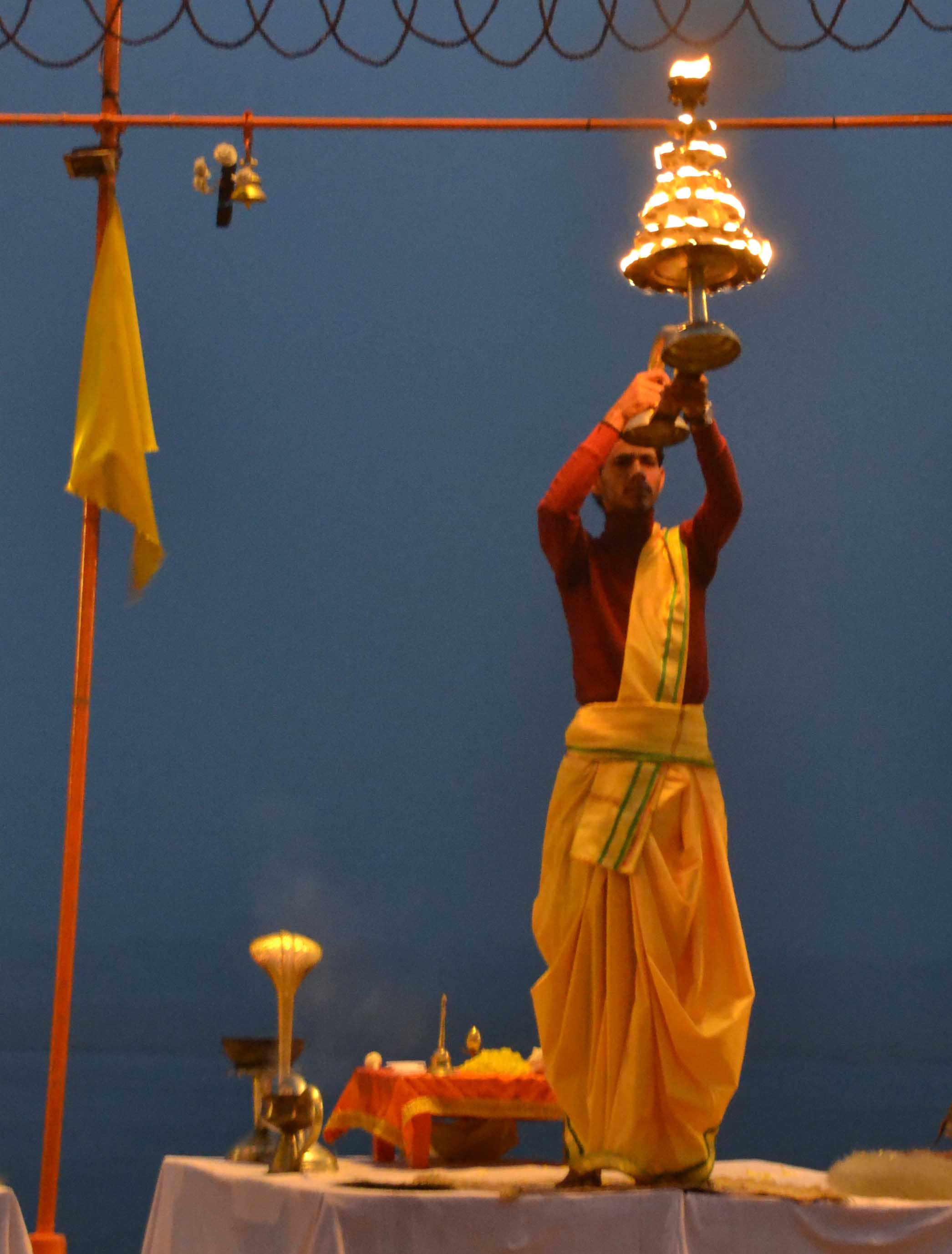
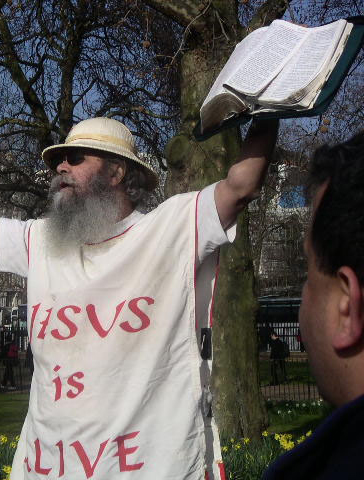
|
Day |
Topic |
Texts: |
|
| Aug 26 |
Where Watts is coming from |
Azatiwada's
inscription Watts, “Ritual Rhetoric in the ANE” PIC of Greek krater (in Louvre) showing blood sacrifice Watts, “Rhetoric of Sacrifice” Bible: Leviticus 4, 12, 15-17 Watts, “Texts are not rituals” |
|
| Sep
2 |
Ritual without Rhetoric 1: ritual experience | Freud, “Obsessive
Actions and Religious Practices.” Van Gennep, Rites of Passage (all) |
|
| Sep 9 |
Where YOU are coming from | Student presentations of one piece of primary material about religious rhetoric or ritual, or both | |
| Sep
16 |
Ritual without Rhetoric 2: embodied metaphors |
Turner, Forest of Symbols, 19-47 Lakoff & Johnson , Metaphors We Live By, 3-19, 36-40, 57-59, 234-235, 256-257 Boivin, “Grasping the Elusive and Unknowable” |
|
| Sep 23 | Rhetoric about Rhetoric 1: persuasion | Aristotle, Rhetoric 1.1-3, 2.1 Burke, Rhetoric of Motives xiii-xv, 19-46 |
|
| Sep 30 | Rhetoric about Rhetoric 2: cross-cultural rhetoric | Kennedy, Comparative Rhetoric
prologue & chs. 1, 2, 4, 6 Mao, "Reflective Encounters" |
|
| Oct 7 |
Ritual uses of
Rhetoric 1: speech acts |
Austin, How to do Things with Words, 1-24 Rappaport, Ritual and Religion, chs. 1, 2, 4, 5. |
|
| Oct 14 |
Ritual uses of
Rhetoric 2: ritual texts |
Goody, "Construction of a Ritual Text" Bell, "Ritualization of Texts" Larson, "Gospels as Imperialized Sites of Memory" Wilkens, “Infusions and Fumigations” |
|
| Oct 21 | Rhetoric about Ritual 1: purity and
pollution |
Douglas, Purity and Danger,
1-7, 78-90, 149-159 Yoo, "Separating Realms," 75-79, 82-86, 92-93, 138-42 |
|
| Oct 28 | Rhetoric
about Ritual 2: the linguistic turn |
Due: Paper topics
and texts Lévi-Strauss, Naked Man, last chapter Geertz, Interpretation of Culture, chs. 1, 4, 5, 6 |
|
| Nov 4 | Rhetoric about Ritual 3: theorizing “ritual” |
Staal, “Meaninglessness of Ritual” JZ Smith, “Bare Facts of Ritual” Asad, "Toward a Genealogy of Ritual" Mahmood, "Rehearsed Spontaneity" |
|
| Nov 11 | Rhetoric about Ritual 4: theorizing performance | Due:
Paper thesis, bibliography and outline Tambiah, “A Performative Approach to Ritual.” Grimes, Ritual Criticism, chaps. 1, 9, 10. Bell, Ritual Theory, Ritual Practice, 13-17, 47-54, 67-142, 182-223. |
|
| Nov
18 |
Rituals
in Social Rhetoric |
Lincoln, On
Ritual, chs. 1, 7 Watts, "Mobilizing the Social Power" |
|
| Dec 2 Student paper
presentations |
|||
| Dec 16 Due: Research papers | |||
|
Comparative Rhetoric:
|